Long-Read Sequencing
Oxford Nanopore Technologies (ONT) offers real-time, long-read sequencing using nanopore-based detection. CRID provides access to both the MinION 1kB and PromethION platforms, enabling researchers to explore complex genomic regions and structural variants with high accuracy.
1. MinION 1kB
Portable, real-time sequencing for rapid insights
The MinION 1kB is a compact, field-ready device ideal for small-scale or time-sensitive projects. It supports:
- De novo genome assembly of plants, animals, and microbes
- Structural variation analysis in complex genomic regions
- Epigenetics, including direct detection of DNA methylation
- Pathogen surveillance and outbreak response (e.g., Ebola, Zika, COVID-19)
Additional Applications of Long-Read Sequencing
Metagenomics & Environmental Genomics:
- Long reads enhance species and strain-level resolution in complex microbial communities.
- Ideal for studying microbiomes, environmental DNA (eDNA), and antimicrobial resistance.
Transcriptomics:
- MinION 1kB platform supports full-length RNA sequencing, allowing researchers to study isoforms, alternative splicing, and RNA modifications.
Agrigenomics:
- De novo assembly of plant/animal genomes
Clinical & Diagnostic Research:
- Being explored for rapid point-of-care diagnostics, especially in infectious diseases such as malaria and cancer genomics.
2. PromethION Platform
Ultra-high-throughput, long-read sequencing for population-scale and complex genomics
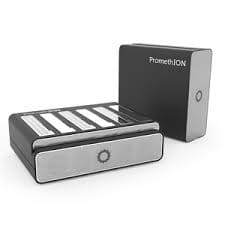
The PromethION from Oxford Nanopore Technologies delivers real-time, long-read sequencing at scale. It uses nanopore-based detection to sequence DNA or RNA directly, offering:
- Ultra-long reads that span repetitive and complex genomic regions
- High accuracy in genome assembly and structural variant detection
Applications include:
- De novo genome assembly
- Structural variant and repeat region identification
- Full-length transcriptomics and alternative splicing analysis
- Epigenetic profiling
- Metagenomics