RNA interference (RNAi) is a natural biological process in which RNA molecules play a key role in regulating gene expression by sequence-specific suppression. Essentially, it's a cellular defence mechanism that "silences" specific genes.
This technology is used to “knock down” a specific gene for a certain period by using double-stranded RNA (dsRNA), which can come from various sources, including viral infections, aberrant transcripts, or even engineered molecules introduced by scientists.
RNAi works by utilising small RNA molecules (siRNAs or miRNAs) as guides for the RISC complex to identify and target specific messenger RNA (mRNA) molecules, leading to their degradation or inhibition of translation, thereby silencing the expression of the corresponding gene.
What are common RNAi applications?
Validation of Gene Function: When a gene is implicated in a process through other methods (e.g., genetic association studies, transcriptomics), RNAi can be used to validate its role.
Elucidating Gene Regulatory Networks: RNAi can help map out complex gene regulatory networks and identify key regulators. Double RNAi knockdowns can also be performed to investigate genetic interactions between genes.
Components of RNAi instrumentation
Computers with Bioinformatics Software: Designing dsRNA sequences.
PCR Thermocycler: Used for amplifying DNA templates for dsRNA template.
Gel Electrophoresis Systems (Power Supply, Gel Tanks): For analysing DNA and RNA quality and size.
RNAi Reagent Delivery (Transcription/Precipitation): reagent kit to use.
Knockdown Validation using Quantitative Real-Time PCR (qRT-PCR):
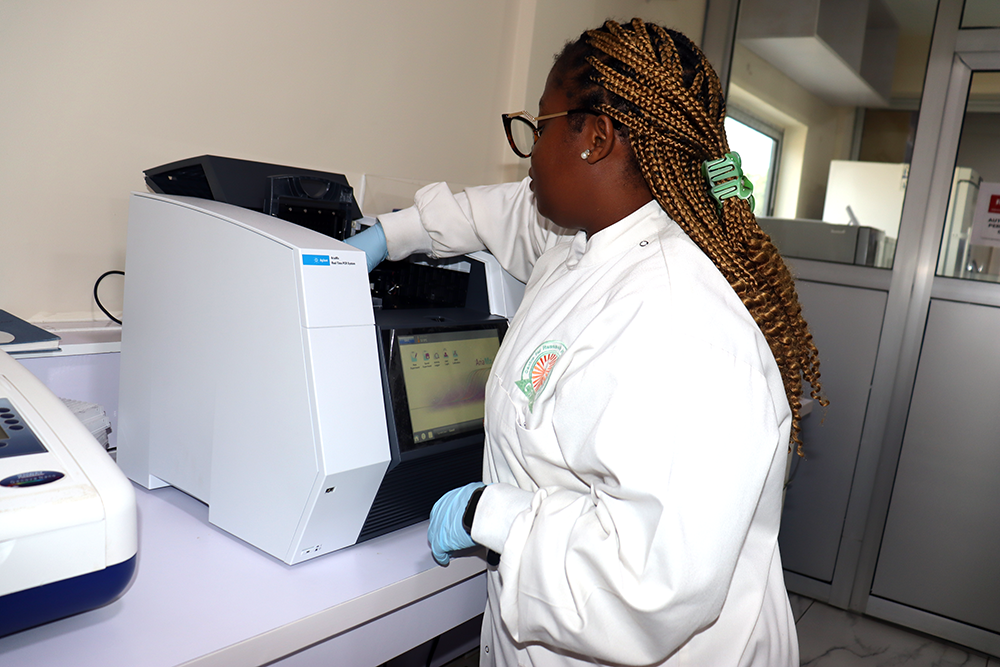
Validation of the gene’s implication is performed through quantification of mRNA knockdown efficiency. This process relies on a qRT-PCR system (thermocycler with fluorescence detection), typically paired with a computer and specialised software for data analysis.
Phenotypic Analysis: This involves observing and documenting physical or behavioral traits in Drosophila to assess the effects of genetic modifications or experimental treatments. Techniques may include microscopy for morphological assessments, behavioral assays, lifespan or fertility studies, and imaging tools for detailed phenotypic characterization
What is a typical RNAi workflow?
- Target Selection - Identify gene or sequence of interest
- dsRNA Design - Use online tools to design specific dsRNA for the gene
- dsRNA Production - Prepare DNA template and transcription reaction assembly
- dsRNA Purification – Cleaning of the dsRNA sample
- dsRNA Precipitation - Purified sample is obtained
- Injection - Validation of the knockdown
- Phenotypic Analysis - Assess the impact of the injection
- Data interpretation/analysis and Storage of results